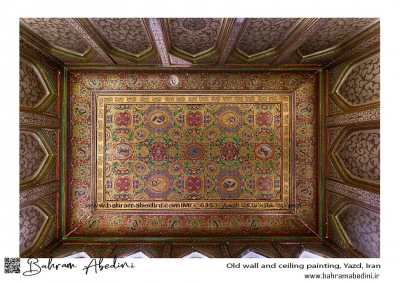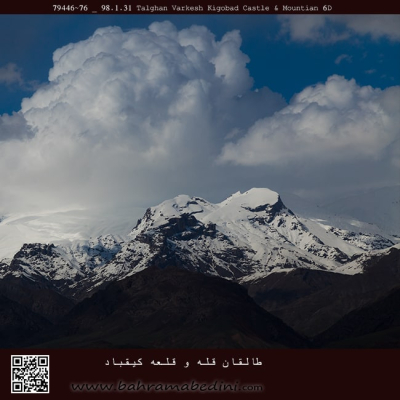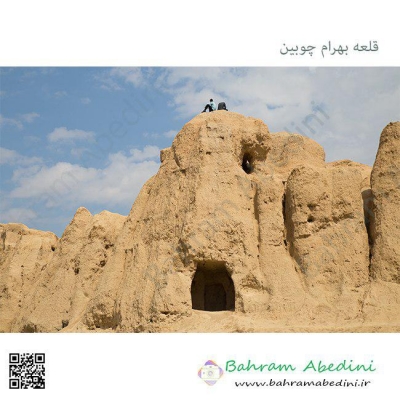
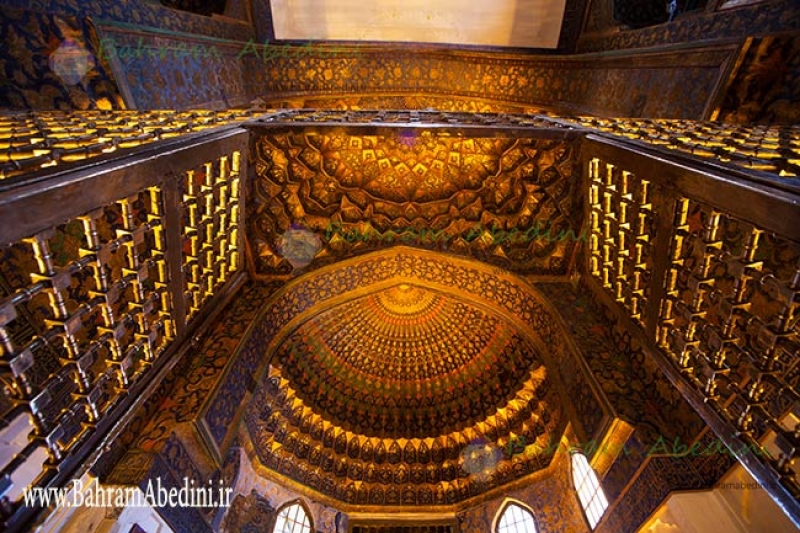
Architecture is the art and science of designing and erecting buildings and other physical structures. Early architecture evolved out of man’s desire for a shelter and was limited to his know-how and materials available.
- Iran
- iranian
- iranian architecture
- arcitechture
- arquitectura
- arquitectura irani
- photo
- photo of iran
- travel to iran
- travel
- tourism
- tourism in iran
- history
- history of iran
- historical
- foto
- foto de iran
- historia de iran
- persian
- persian architecture
- persian history
- iranian history
- must see iran
- trip to iran
- viajar a iran
- photography
- photographers
- iranian photographers
- Bahram Abedini
- bahram mirza abedini
- bahram mirzaabedini
- shahrzad abedini
- shahrzad mirza abedini
- shahrzad mirzaabedini
- City
- iranian city
- persian city
- persa
- persia
- pasargad
- persepolis
Shiraz-the “City of Roses and Nightingales”
Written by Shahrzad Mirza Abedini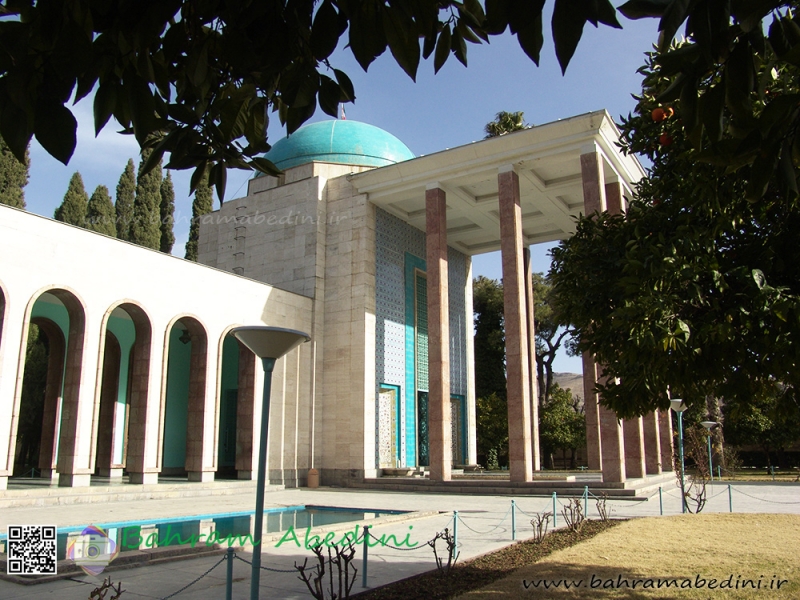
Shiraz-the “City of Roses and Nightingales”Shiraz epitomizes the spirit of Iran. It is the “House of Poets” and home to numerous serendipitous gardens. Two of Persia’s most famous sons, 13th and 14th c. poets Sa’adi and Hafez, are buried in delightful gardens in the city and are visited by numerous admirers who pay homage to their wisdom and literary genius. Excellent houses and mosques from past centuries along with the 18th century main and nomadic bazaars, add to the charm of the city.
- shiraz
- City
- roses
- nightingles
- city of roses
- Iran
- art
- historical cities
- ancient civilizations
- persia
- Sa’adi
- Hafez
- House of Poets
- NaghsheRostam
- Necropolis
- NaghsheRajab
- Pasragad
- Persian Empire
- remains
- ancient world
- oriental
- middle east
- city of Estakhr
- fars
- Saljuq
- Kharazmid
- Mongol conquest
- center of the arts and letters
- Zand Dynasty
- Tour Guides
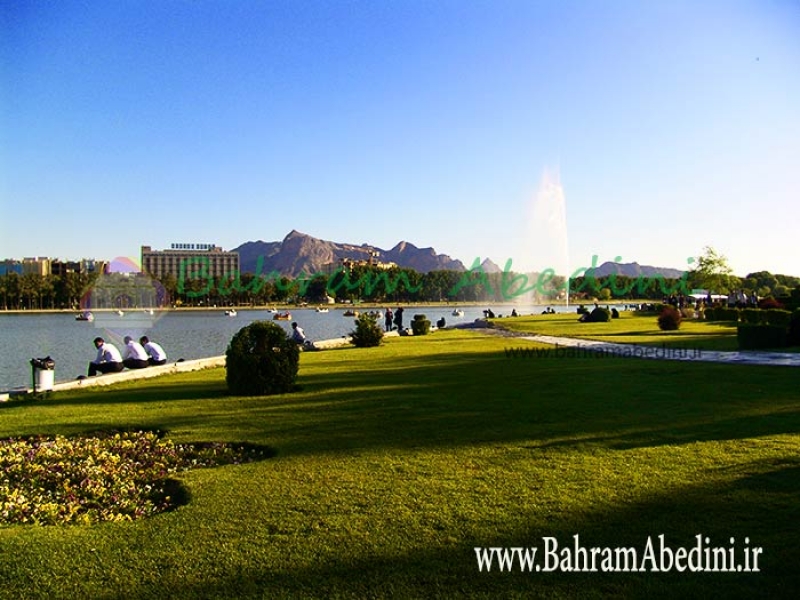
When Shah Abbas decided at the end the sixteenth ce3ntury to make Esfahan his capital, he started building on what was virtually an open site. The clutter of houses which had now grown up round the Friday mosque and the bazzar were left as they stood; the new city began where the old one left off, again to the south and west, on the site of the present Meydan-e-Emam. The Meydan was planted at a spot where the life of Esfahan as it stood would flow through it; it was to be the meeting place of monarch and citizens.
- Iran
- esfahan
- esfehan
- photo
- photography
- photogallery
- photographer
- photo of iran
- photo of esfahan
- persia
- shah abbas
- shah
- shah abbass
- shah abass
- chahar bagh
- meydan emam
- meydane emam
- meydan emam esfahan
- bazaar
- bazar
- bazzar
- mosque
- sheikh lutfullah
- blvd
- safavid
- safavid peeriod
- ali qapu
- ali ghapu
- ali ghapoo
- haft rangi Haft Rangi (sevencolor tiles
- haft rang
- seven colored
- ایران
- اصفهان
- شاه عباس
- تاریخ
- تاریخ ایران
- عالی قاپو
- شیخ لطف الله
- مسجد
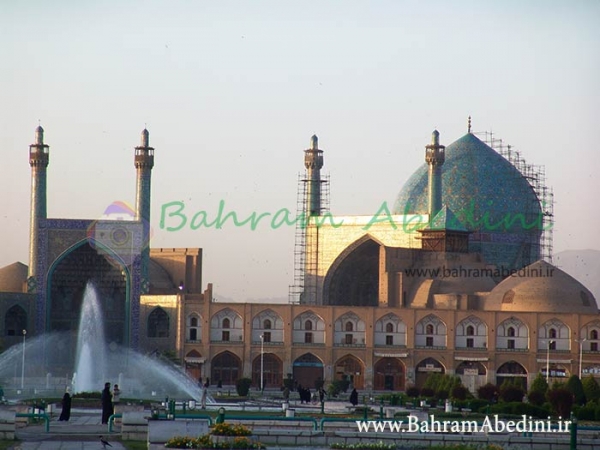
The 17th century Safavid capital referred to as “Nesf-e-Jahan” (Half the World) by the Persians, is where today, the climax of Persian architecture can be witnessed in the serene purity of its grandiose mosques and elegant palaces. The ancient city gained political significance under the mighty Saljuqs in 11th and 12th centuries. The superb congregational Mosque of Esfahan dates mainly from this glorious period, having many earlier parts and later additions, earning it the title “the encyclopedia of Persian Mosque”. The great Safavid monarch, Shah Abbas I, moved his capital to Esfahan in 1598, where he lay out a new city center with a vast central square adorned on each side with a remarkable monument, the majestic Imam and Sheikh Lotf-o-LLah Mosque, the reception and gateway palace of Ali-Qapu, and the Qeisarieh Bazaar.
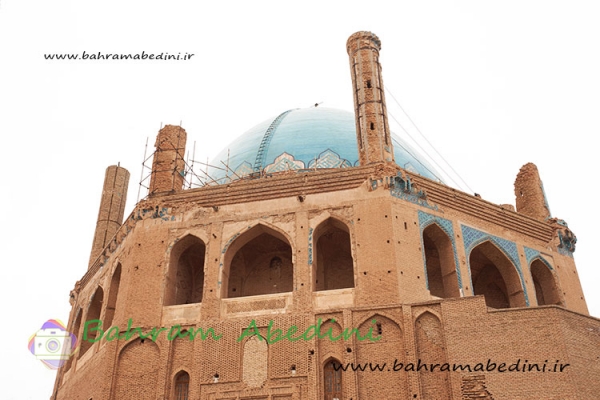
The mausoleum of Oljaytu was constructed in 1302–12 in the city of Soltaniyeh, the capital of the Ilkhanid dynasty, which was founded by the Mongols. Situated in the province of Zanjan, Soltaniyeh is one of the outstanding examples of the achievements of Persian architecture and a key monument in the development of its Islamic architecture. The octagonal building is crowned with a 50 m tall dome covered in turquoise-blue faience and surrounded by eight slender minarets. It is the earliest existing example of the double-shelled dome in Iran. The mausoleum’s interior decoration is also outstanding and scholars such as A.U. Pope have described the building as ‘anticipating the Taj Mahal’.