Photogram
Selling the latest photos of Iran by Bahram Abedini
Photogram
Photogram
Latest photos by Bahram Abedini
Latest photos of Iran by Bahram Abedini
Website Language






Farsi Description:
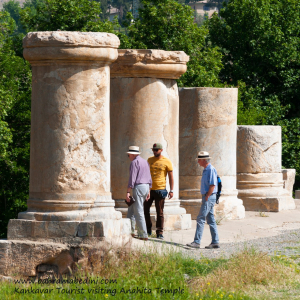
معبد آناهیتا در شهر کنگاور، استان کرمانشاه، یکی از بزرگترین بناهای سنگی ایران پس از تخت جمشید است. این معبد به الهه آناهیتا، نگهبان آب، فراوانی، زیبایی و باروری اختصاص دارد. قدمت این بنا به دورههای هخامنشیان، اشکانیان و ساسانیان بازمیگردد.
این معبد بر روی تپهای طبیعی با ارتفاع حدود ۳۲ متر ساخته شده و مساحتی حدود ۶.۴ هکتار دارد. معماری آن شامل ستونهای سنگی با ارتفاع ۵.۴۲ متر و پلکانهای دوطرفه است که به ورودی بنا منتهی میشوند.
توریستهای خارجی که به معبد آناهیتا میآیند، اغلب به دلیل اهمیت تاریخی و معماری منحصر به فرد آن جذب میشوند. این معبد به عنوان یکی از نخستین آثار ملی ایران ثبت شده و در فهرست موقت میراث جهانی یونسکو نیز قرار دارد. بازدید از این مکان به علاقهمندان به تاریخ، معماری و فرهنگ باستانی ایران توصیه میشود.
به این عکس امتیاز دهید.
این عکس توسط بهرام عابدینی از تپه ها و طبیعت اطراف این منطقه گرفته شده است. برای خرید این عکس یا عکس های دیگر از طریق وبسایت یا تلفن با ما تماس بگیرید.
توضیحات انگلیسی:
The Anahita Temple, located in Kangavar, Kermanshah province, is one of the largest stone structures in Iran after Persepolis. This temple is dedicated to the goddess Anahita, the guardian of water, abundance, beauty, and fertility. Its construction dates back to the Achaemenid, Parthian, and Sassanian periods.
The temple is built on a natural hill with a height of about 32 meters and covers an area of approximately 6.4 hectares. Its architecture includes stone columns with a height of 5.42 meters and double staircases leading to the entrance.
Foreign tourists visiting the Anahita Temple are often attracted by its historical significance and unique architecture. The temple is registered as one of Iran's earliest national monuments and is also on the UNESCO World Heritage Tentative List. Visiting this site is recommended for those interested in the history, architecture, and ancient culture of Iran.
Please rate this picture.
This picture is taken by Bahram Abedini. If you want to purchase this picture or any other around this area please contact us through website, email or phone.
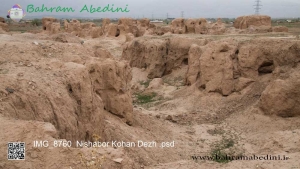
کهن دژ نیشابور واقع در خراسان مرکزی می باشد؛ که در جنوب شهر فعلی نیشابور به صورت تپه های باستانی قرار گرفته است. این سایت دو بار توسط باستان شناسان مورد حفاری وبررسی قرار گرفته است. بار نخست در حد فاصل سالهاي 1935 تا 1948 يك هيأت اعزامي از موزه متروپليتن نيويورك كاوشهايي را در منطقه نيشابور انجام داد كه از جمله مناطق مطالعه شده اين گروه محوطه كهن دژ بود؛ که قدمت آنرا به دوران سامانی وسلجوقی نسبت دادند. اما در فصل دوم بررسی که توسط هیات فرانسوی در سال 1383انجام شد، کارشناسان قدمت آنرا به دوران ساسانیان مربوط دانستند. در این منطقه 24هزار شی تاریخی از جمله سفال های گوناگون و به ویژه یک درفش ساسانی کشف شده است. متاسفانه این سایت همواره با چپاول و غارت همراه بوده است.
The ancient Neyshabur citadel is located in central Khorasan, to the south of the current Neyshabur city as ancient hills. The site has been excavated twice by archaeologists. For the first time between 1935 and 1948, a delegation from the New York Metropolitan Museum carried out excavations in the Neyshabur area, including the study area of this ancient fortified area, dating back to the Sultanate and Seleucid era. But in the second chapter of the study conducted by the French delegation in 2004, experts attributed it to antiquity in the Sassanid era. In the area, 24,000 historical objects have been discovered, including pottery, and in particular a Sassanid drapery. Unfortunately, this site has always been looted and looted.
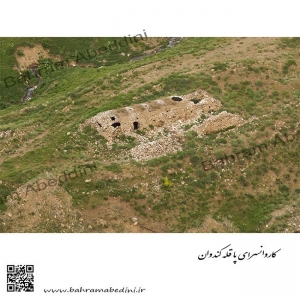
کاروانسرای پا قله کندوان بعد از تونل کندوان در فاصله دویست وپنچاه متری در سمت راست جاده قرار دارد.این کاروانسرای کوهستانی در دوره ساسانی ساخته شده است و جنس آن از لاشه سنگ می باشد. شکل کلی بنا به صورت چهارضلعی در ابعاد 9 در 22 متر می باشد. کاروانسرا دارای پنچ گنبدِ نورگیر دار بوده که سه تا ار آ نها سالم است. هر گنبد روی ۴ طاقِ کلنبه ای استوار است. به گفته محلی ها این کاروانسرا تا زمان رضا شاه مورد استفاده قرار می گرفته است.
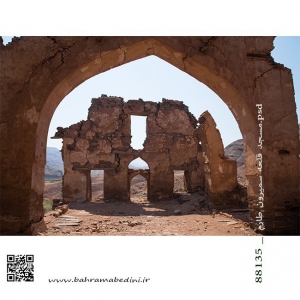
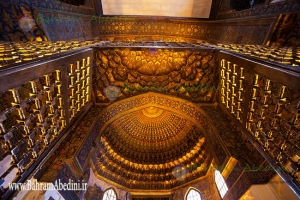
Architecture is the art and science of designing and erecting buildings and other physical structures. Early architecture evolved out of man’s desire for a shelter and was limited to his know-how and materials available.
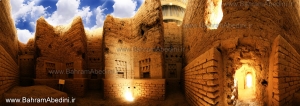
این تپه در 60 کیلومتری جنوب استان همدان و 20 کیلومتری غرب شهرستان ملایر واقع شده است. تپه دارای 80 متر طول و 30 متر عرض می باشد و ارتفاع آن 37 متر است. تپه نوشیجان از دو قسمت طبیعی و مصنوعی تشکیل شده است.
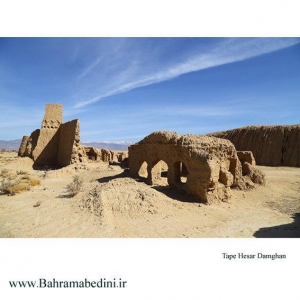
تپه حصار واقع در حاشیه جنوبی شهر دامغان برای نخستین بار توسط اریخ اشمیت از دانشگاه پنسیلوانیا در سال 1312 مورد کاوش قرار گرفت. بر اثر این کاوش ها روشن شد که این محوطه باستانی دارای سه دوره اصلی فرهنگی از اواخر نوسنگی تا پایان عصر مفرغ است . از زمان کاوش های اشمیت در تپه حصار این محوطه به عنوان یکی از محوطه های مبنا برای شناسایی فرهنگ های همزمان در فلات مرکزی ایران مورد استناد باستان شناسان است.
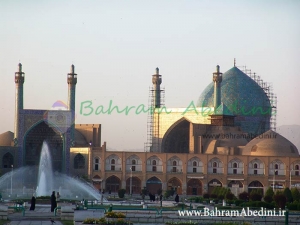
The 17th century Safavid capital referred to as “Nesf-e-Jahan” (Half the World) by the Persians, is where today, the climax of Persian architecture can be witnessed in the serene purity of its grandiose mosques and elegant palaces. The ancient city gained political significance under the mighty Saljuqs in 11th and 12th centuries. The superb congregational Mosque of Esfahan dates mainly from this glorious period, having many earlier parts and later additions, earning it the title “the encyclopedia of Persian Mosque”. The great Safavid monarch, Shah Abbas I, moved his capital to Esfahan in 1598, where he lay out a new city center with a vast central square adorned on each side with a remarkable monument, the majestic Imam and Sheikh Lotf-o-LLah Mosque, the reception and gateway palace of Ali-Qapu, and the Qeisarieh Bazaar.
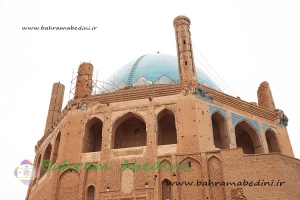
The mausoleum of Oljaytu was constructed in 1302–12 in the city of Soltaniyeh, the capital of the Ilkhanid dynasty, which was founded by the Mongols. Situated in the province of Zanjan, Soltaniyeh is one of the outstanding examples of the achievements of Persian architecture and a key monument in the development of its Islamic architecture. The octagonal building is crowned with a 50 m tall dome covered in turquoise-blue faience and surrounded by eight slender minarets. It is the earliest existing example of the double-shelled dome in Iran. The mausoleum’s interior decoration is also outstanding and scholars such as A.U. Pope have described the building as ‘anticipating the Taj Mahal’.
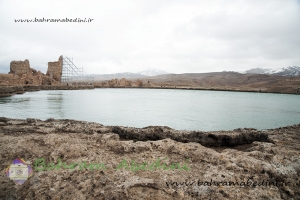
Takhte Soleyman or Adur Gushnasp (Azar Goshnasb) is situated in 45km away from Takab a city in West-Azarbayejan of Iran. This place is based on a natural sediments of a lake and is 20m above the height of the agricultural fields. The Siege of this site has 38 ornate towers in elliptic shape. Inside the Takht-e soleyman there is a natural lake with 120 m of length and 80 m of wideness.