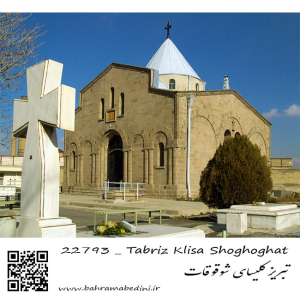
کلیسای شوقوقات در تبریز
Farsi Description:
کلیسای شوقوقات در محله شوقوقات تبریز قرار دارد و به دوره قاجار برمیگردد. این کلیسا در سال ۱۸۴۰ ساخته شده و به جامعه ارمنیهای تبریز تعلق دارد. معماری کلیسا شامل سنگهای تراشیده و آجر است و دارای یک گنبد بزرگ و دو برج ناقوس میباشد. کلیسای شوقوقات میزبان مراسمهای مذهبی و فرهنگی مختلفی است و به عنوان یک مرکز اجتماعی برای جامعه ارمنیهای تبریز عمل میکند.
به این عکس امتیاز دهید.
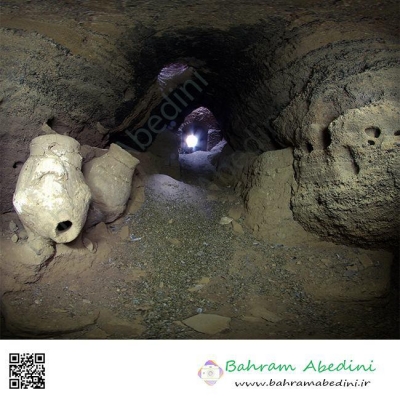
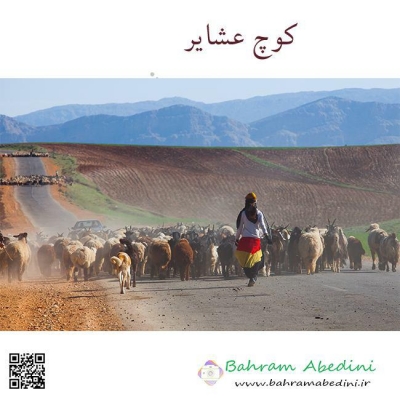
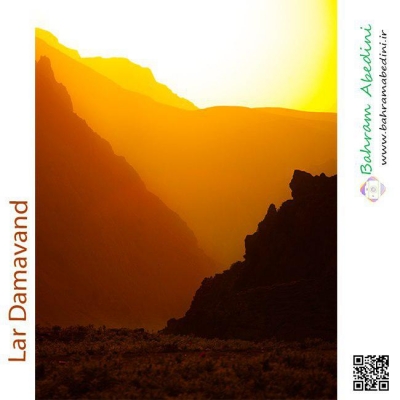
این عکس توسط بهرام عابدینی از تپه ها و طبیعت اطراف این منطقه گرفته شده است. برای خرید این عکس یا عکس های دیگر از طریق وبسایت یا تلفن با ما تماس بگیرید
توضیحات انگلیسی:
Shoghoghat Church is located in the Shoghoghat neighborhood of Tabriz and dates back to the Qajar era. Built in 1840, this church belongs to the Armenian community of Tabriz. Its architecture features carved stones and bricks, with a large central dome and two bell towers. Shoghoghat Church hosts various religious and cultural ceremonies and serves as a social center for the Armenian community in Tabriz.
Please rate this picture.
This picture is taken by Bahram Abedini. If you want to purchase this picture or any other around this area please contact us through website, email or phone.
قبرستان قدیمی موجومبار
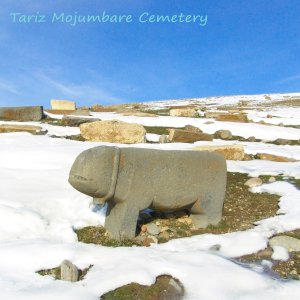
Farsi Description:
گورستان مجومبار در شبستر، آذربایجان شرقی، ایران، از نظر تاریخی اهمیت زیادی دارد و میراث ارمنی روستا را منعکس میکند. این مکان شامل کلیسای سنت هریپسیمه است که به قرون 9 تا 13 میلادی بازمیگردد و بینشهایی در مورد زندگی و سنتهای جامعه ارمنی که زمانی در این منطقه رونق داشتند، ارائه میدهد. سنگقبرها و کتیبههای گورستان، یاد و خاطره این جامعه را حفظ میکنند.
به این عکس امتیاز دهید.
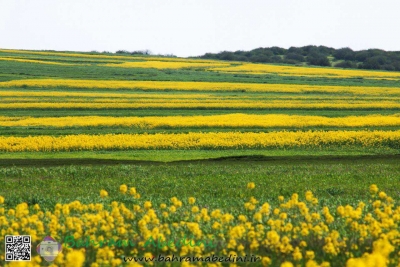
این عکس توسط بهرام عابدینی از تپه ها و طبیعت اطراف این منطقه گرفته شده است. برای خرید این عکس یا عکس های دیگر از طریق وبسایت یا تلفن با ما تماس بگیرید.
توضیحات انگلیسی:
Mujumbar Cemetery in Shabestar, East Azerbaijan, Iran, is historically significant, reflecting the village’s Armenian heritage. It features the Saint Hripsime Church, dating from the 9th to 13th centuries, and offers insights into the lives and traditions of the Armenian community that once thrived there. The cemetery’s tombstones and inscriptions preserve the memory of this community.
Please rate this picture.
This picture is taken by Bahram Abedini. If you want to purchase this picture or any other around this area please contact us through website, email or phone.
Tagh-e Bostan
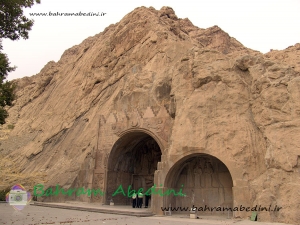
The Historical site of Tagh-e Bostan or (Taq-e Bostan) is situated in Kermanshah City in Iran. Taq means an Arch and Bostan means A very beautiful garden. Thus, Taq-e Bostan means an Arch of a very beautiful garden. The appellation of taq or arch here refers to two ancient arch from Sassanid dynasty in Iran. Tagh-e Bostan is consists of the big arch, small arch and a plate of stone inscription outside the cave. These two arches have been carved out of stone in the mountain. Outside the big cave there are two winged angels holding a medallion. Inside the cave there are many carvings including a big horse and a rider which is “Khosro Parviz” the king of Iran in Sassanid period.